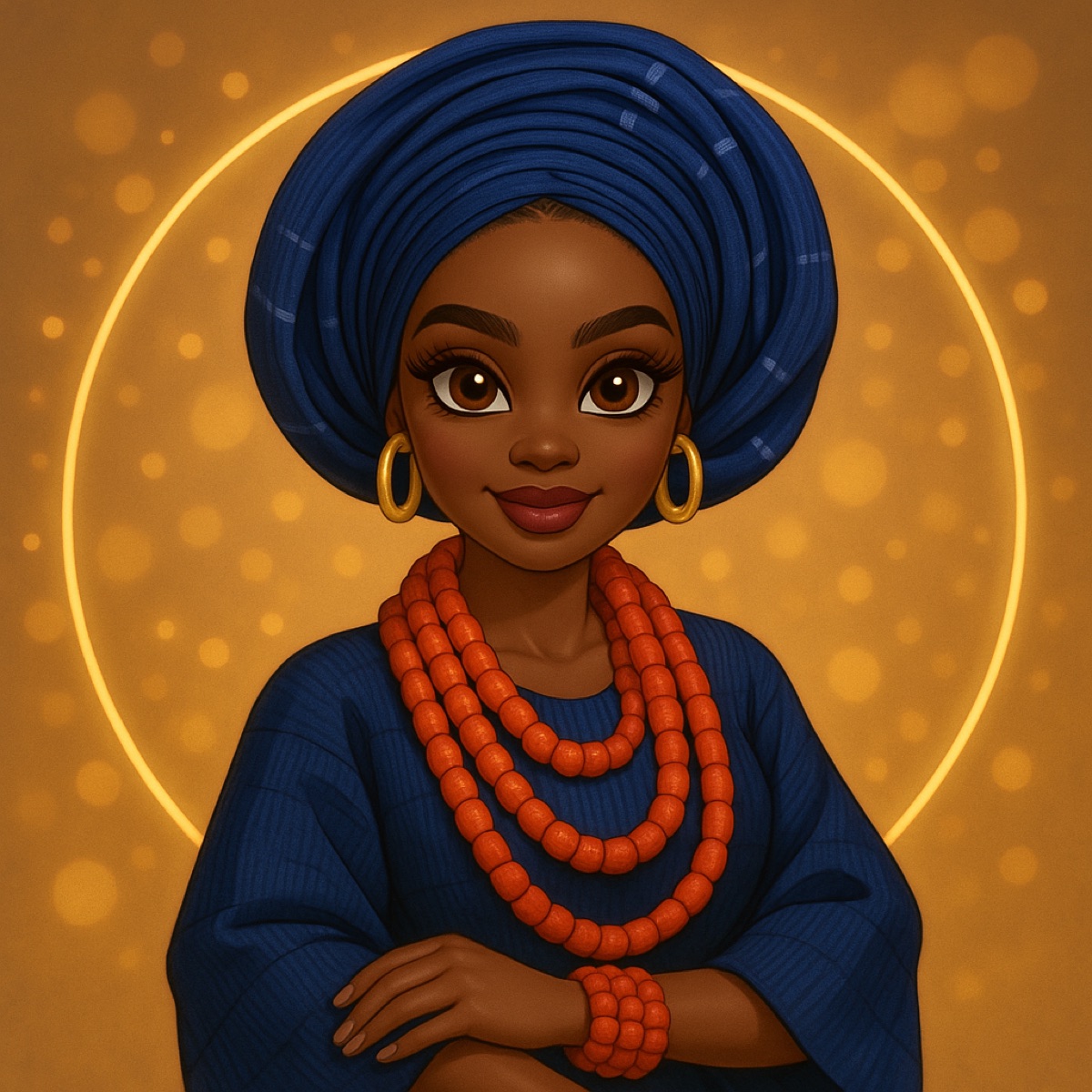
What aso-oke is
Aso-oke is Yoruba prestige cloth — handwoven in narrow strips, thick and structured, with a sheen that reads expensive before a single jewel goes on. It is the fabric of the big ceremonies: weddings, chieftaincies, namings, the grandest owambe.
Its weight is the point. Aso-oke holds a shape, which is why it makes the most sculptural gele and the most regal agbada — it stands up where softer cloth drapes.
How it's worn
- Iro and buba. The wrapper and blouse set for ladies, with a matching or contrasting gele — the classic ceremonial pairing.
- The agbada. A flowing robe over tunic and trousers with a fila cap — the men's statement, often in aso-oke with embroidery.
- The gele. Aso-oke's structure is what allows the tall, sculpted gele styles; it is the headwear fabric.
The aso-ebi connection
Hosts often pick an aso-oke weave as the wedding's aso-ebi — the shared fabric family and friends buy so the whole party photographs as one. For colour pairings that read well together, see the aso-ebi colour guide.
Aso-oke questions
What is aso-oke used for?
Ceremonial wear — gele head-ties, iro and buba sets, agbada robes and fila caps, most often as a wedding or celebration's aso-ebi fabric.
Is aso-oke heavy?
Yes — it is a thick, structured handwoven cloth. That weight is what lets the gele and agbada hold their dramatic shapes.
Aso-oke vs lace for an owambe?
Both are formal. Aso-oke reads more traditional and structured; lace reads softer and more ornate. An aso-oke gele over a lace outfit is a common, elegant mix.